Why Americans Are Keeping Things Longer Instead of Throwing Them Away
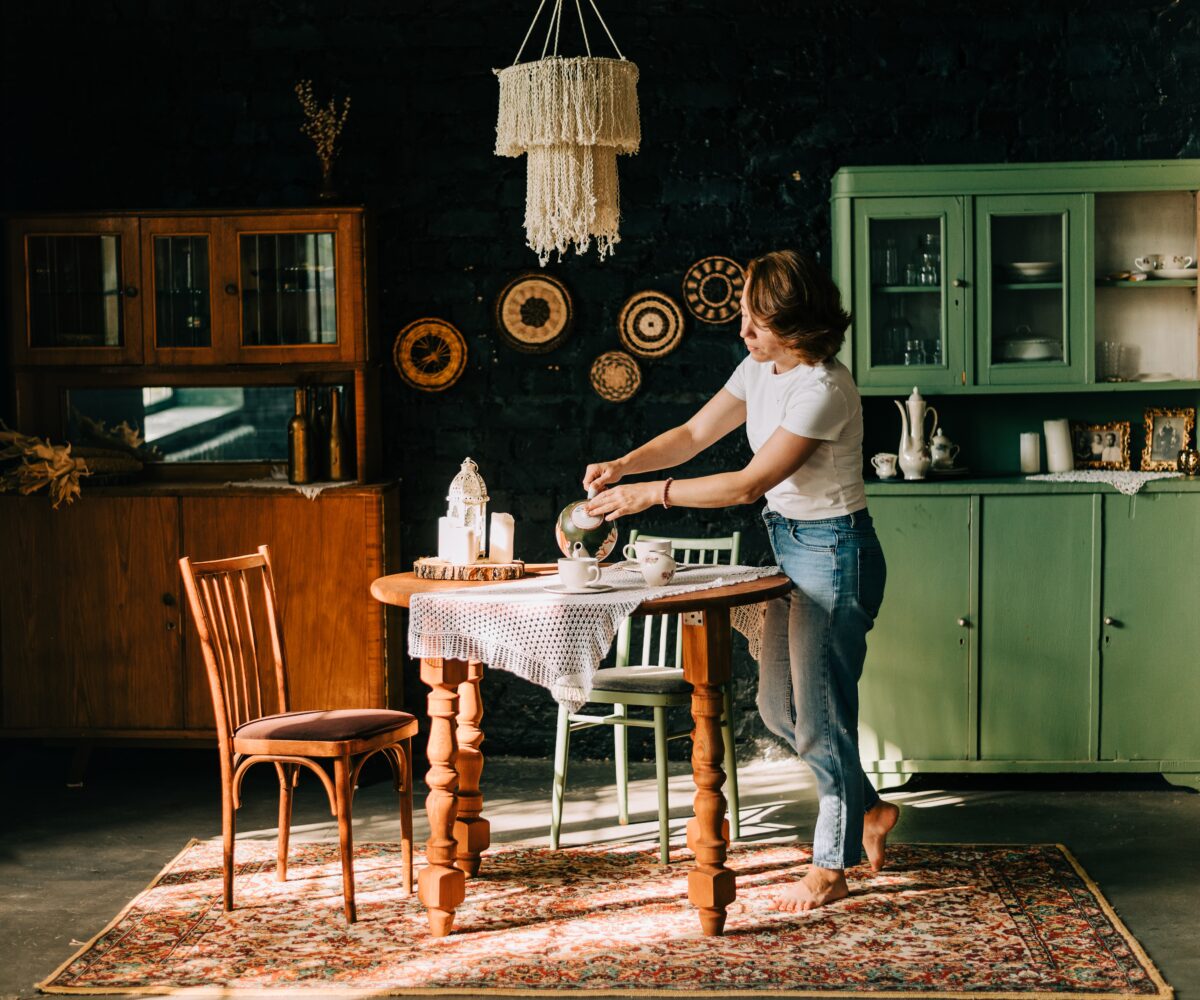
From family heirlooms and baby gear to furniture and collectibles, Americans are becoming more intentional about what they keep. The result is changing how households think about space.
For decades, consumer culture followed a fairly straightforward cycle: buy, use, replace, repeat.
Today, that mindset is evolving.
Across the country, more people are choosing to hold onto belongings longer than previous generations. Some are motivated by rising costs. Others are focused on sustainability. Many simply recognize that items often have value beyond their immediate use.
Whether it’s a piece of furniture that could be used in a future home, baby gear being saved for grandchildren, or family heirlooms with sentimental significance, Americans are increasingly becoming selective about what they let go.
And while this shift is often discussed through the lens of sustainability and resale, it has another effect that’s easy to overlook:
People need more space to keep the things they still value.
The Throwaway Culture Is Beginning to Shift
For years, replacing items was often easier than repairing, storing, or reusing them.
Technology advanced quickly. Furniture styles changed. Household goods became more affordable. Convenience often won out over preservation.
Today, however, attitudes are changing.
The growth of resale marketplaces, furniture restoration, secondhand shopping, and repair-focused services reflects a broader movement toward extending the life of the products we already own. Researchers tracking circular economy and resale trends have noted growing consumer interest in reuse, repair, refurbishment, and secondhand purchasing as alternatives to constant replacement. [nahb.org], [jchs.harvard.edu]
Rather than viewing possessions as temporary, many households are beginning to treat them as long-term assets.
Rising Costs Are Encouraging People to Keep More
Economic realities are also influencing consumer behavior.
When replacing furniture, appliances, electronics, and household goods becomes more expensive, people naturally become more thoughtful about what they discard.
Instead of immediately replacing an item, consumers are increasingly asking:
- Can this be repaired?
- Could I use this again someday?
- Might a family member want it in the future?
- Does it still have financial value?
- Does it still have sentimental value?
These questions often lead to different decisions than they might have a decade ago.
Items that may once have ended up at the curb are now being stored, repurposed, donated, sold, or saved for future use.
The Secondhand Economy Has Gone Mainstream
One of the clearest indicators of this shift is the rapid growth of the resale market.
What was once considered primarily thrift shopping has evolved into a major segment of the retail economy. Consumers are increasingly comfortable buying and selling pre-owned goods online, and younger generations are helping drive adoption through resale platforms and marketplaces. [storagecafe.com], [jchs.harvard.edu]
Industry reports show resale continuing to outpace many traditional retail categories, reflecting a broader change in how consumers think about ownership and value. [storagecafe.com], [gsd.harvard.edu]
The implication is simple: people are becoming less likely to view belongings as disposable.
Sentimental Value Still Matters
Not every item is kept for financial reasons.
Many of the belongings people choose to preserve carry emotional significance that simply can’t be replaced.
Families often hold onto:
- Photo albums
- Holiday decorations
- Children’s keepsakes
- Antique furniture
- Collections
- Memorabilia
- Family heirlooms
These possessions tell stories. They connect generations. They preserve memories.
As families navigate major life transitions such as marriage, retirement, downsizing, or welcoming new family members, these belongings often become even more meaningful.
In many ways, keeping certain items isn’t just about ownership. It’s about preserving a connection to people, experiences, and family history.
Sustainability Is Influencing Consumer Decisions
Environmental awareness is another factor reshaping consumer behavior.
The principles behind the circular economy encourage keeping products in use for as long as possible through reuse, repair, resale, and refurbishment. As consumers become more conscious of waste, many are choosing to extend the lifespan of items rather than replace them prematurely.
This doesn’t necessarily mean buying less.
Instead, it often means being more intentional about what stays and what goes.
As that mindset grows, households are discovering that preserving belongings requires space.
Homes Are Becoming Storage for Future Possibilities
One of the most interesting aspects of this trend is that many items being kept aren’t needed today.
They’re being saved for tomorrow.
Families may store:
- Nursery furniture for future grandchildren
- Seasonal décor used a few weeks each year
- Furniture destined for a future home
- Hobby equipment that isn’t used year-round
- Collectibles that continue to appreciate in value
- Business supplies for future projects
These items still serve a purpose.
That purpose simply isn’t immediate.
As a result, households are balancing everyday living needs with long-term storage needs in ways they haven’t before.
What This Means for Storage
At Space Shop Self Storage, we’ve noticed that many customers aren’t storing things because those belongings have lost value.
They’re storing them because those items still have value.
The furniture inherited from a parent. The holiday decorations used every year. The collection built over decades. The baby gear being saved for future generations.
Increasingly, storage isn’t about getting rid of things.
It’s about maintaining options.
People want the flexibility to keep belongings that remain useful, meaningful, or potentially valuable without sacrificing the comfort and function of their living spaces.
This reflects a larger trend we’re seeing across the country: households are becoming more intentional about what they own and more thoughtful about what they choose to keep.
Whether you’re preserving family heirlooms, storing seasonal belongings, downsizing, or making room for a new chapter of life, flexible storage can help create that balance.
And for items that may be sensitive to temperature fluctuations or humidity, such as wooden furniture, photographs, artwork, electronics, collectibles, and important documents, climate-controlled storage can provide additional protection during long-term storage.
If you’re evaluating your options, our Storage Unit Size Guide can help determine the right amount of space for your belongings. You can also learn more about the benefits of Climate-Controlled Storage and explore our Locations Page to find a Space Shop facility near you.
The Future of Ownership
The growing popularity of resale, reuse, and long-term ownership suggests that Americans are developing a different relationship with their possessions.
Items are no longer viewed solely through the lens of immediate utility.
They’re increasingly viewed through the lens of future usefulness, sustainability, family connection, and long-term value.
As resale markets continue to grow and consumers become more intentional about what they own, one thing seems increasingly clear:
The question is no longer whether something is worth keeping.
For many households, the more important question is:
Where should it live until it’s needed again?