What Happens to All Our Stuff? The Hidden Economics of Space in Modern America
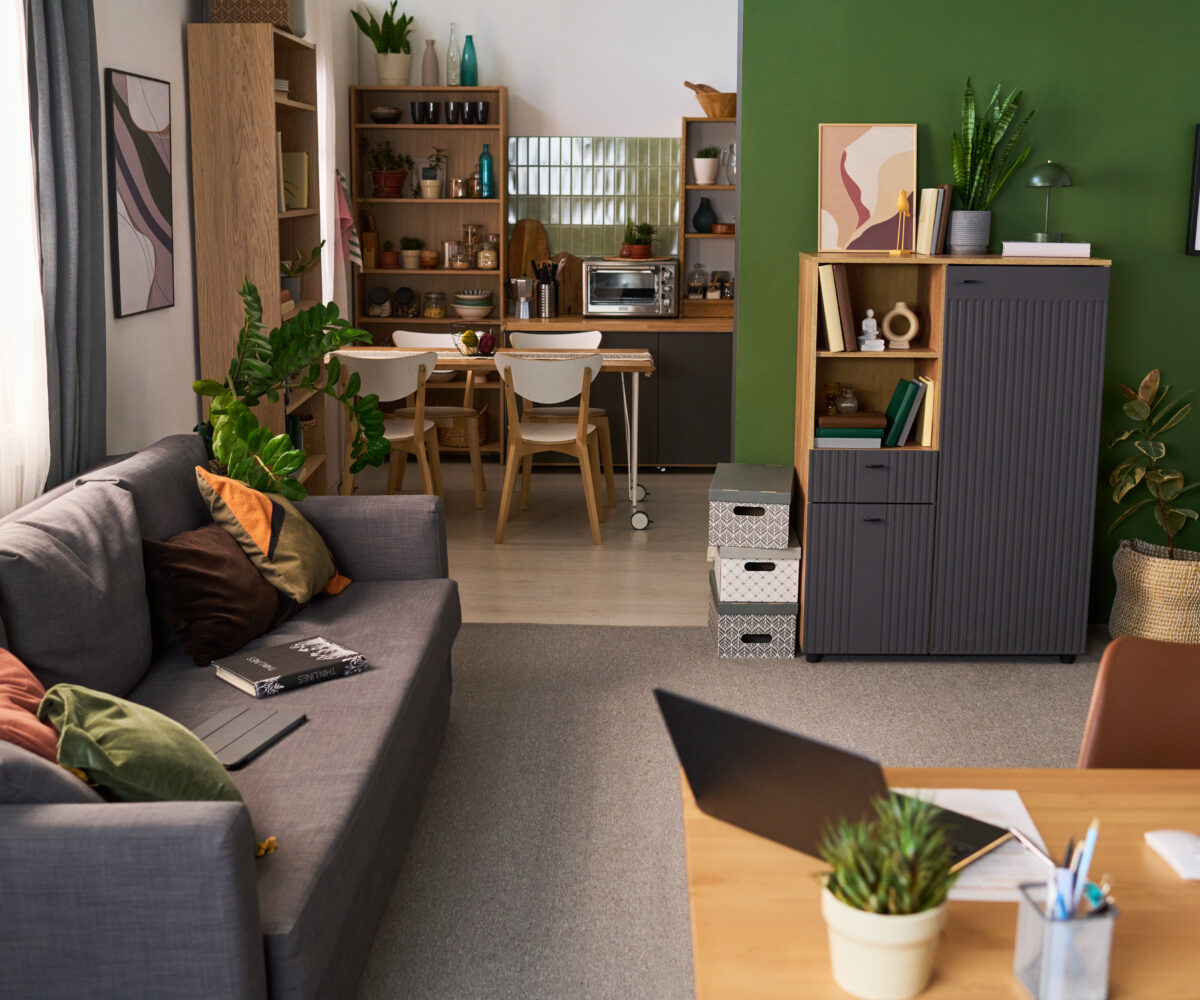
Americans are rethinking where they live, how they live, and what they keep. But as lifestyles evolve, one question continues to grow in importance: what happens to all our stuff?
When people talk about housing trends today, the conversation usually centers around home prices, mortgage rates, rent increases, and affordability. Those factors undoubtedly shape where and how people live.
But beneath those headlines, another trend is quietly influencing millions of households: the growing value of space itself.
From remote work and side businesses to multigenerational living and changing lifestyles, Americans are finding that every square foot matters more than it once did. And as homes take on more responsibilities, people are becoming increasingly strategic about how they use the space they already have.
Our Relationship With Space Has Changed
For decades, homes were designed around a fairly predictable set of functions. They were places to eat, sleep, gather with family, and store belongings.
Today’s homes look very different.
A spare bedroom might also be a home office. A garage might double as a workshop or small business hub. Dining rooms become classrooms, fitness spaces, or creative studios.
In many households, a single home may now need to support:
- Remote or hybrid work
- Childcare and homeschooling
- Home-based businesses
- Aging family members
- Fitness and wellness activities
- Recreation and hobbies
As daily life becomes more flexible, the spaces where that life happens must become more flexible as well.
This shift helps explain why conversations about square footage are no longer just about housing. They’re increasingly about lifestyle.
Americans Are Accumulating More Than They Realize
While homes have evolved, so have the belongings inside them.
Many households now own equipment and possessions that previous generations simply didn’t need to accommodate:
- Home office furniture and technology
- Recreational and outdoor gear
- Online business inventory
- Smart home devices
- Children’s activity equipment
- Seasonal décor
- Specialized hobby collections
- Bulk household purchases
At the same time, many Americans are holding onto belongings longer than previous generations.
Furniture is repurposed rather than replaced. Family heirlooms are preserved. Baby gear is saved for future children or grandchildren. Collectibles, memorabilia, and sentimental items continue to hold value long after their original purpose has passed.
The result isn’t necessarily clutter. It’s a growing need to balance everyday living space with long-term storage needs.
Housing Costs Are Making Space More Valuable
Housing affordability continues to be one of the defining economic issues facing American households.
According to the Urban Institute’s American Affordability Tracker, housing costs have risen substantially in recent years, with home prices and rents increasing faster than earnings in many markets.
At the same time, researchers at Harvard’s Joint Center for Housing Studies continue to point to affordability challenges and economic uncertainty as major forces affecting housing decisions nationwide.
For many households, moving into a larger home is no longer the most practical answer when additional space is needed.
Instead, families are looking for ways to make existing homes work harder and function more efficiently.
The Modern Home Has Become a Multi-Purpose Asset
One of the biggest shifts over the past decade is the expectation that homes serve multiple functions simultaneously.
A guest room may also function as:
- A home office
- A workout room
- A nursery
- A study area
A garage may serve as:
- Vehicle storage
- Equipment storage
- Workshop space
- Business inventory storage
Every room has become more valuable because every room potentially serves multiple purposes.
The challenge facing many households isn’t necessarily a lack of space. It’s determining how to allocate that space most effectively.
Flexibility Is Becoming a New Form of Wealth
Traditionally, housing discussions focused on ownership, location, and square footage.
Increasingly, however, flexibility may be just as important.
Many families experience significant life transitions within just a few years:
- Relocations for work
- Retirement
- Downsizing
- Growing families
- Adult children moving home
- Multigenerational living arrangements
- New business ventures
Life rarely stays static for long.
The ability to adapt quickly without making major housing changes has become a significant advantage. Whether that means creating a workspace, accommodating family members, or temporarily making room for a major life transition, flexibility is becoming one of the most valuable assets a household can have.
What This Means for Storage
At Space Shop Self Storage, we’ve seen firsthand how people’s relationship with space is evolving.
More customers are turning to storage not because they’re moving, but because they’re adapting. They’re converting spare bedrooms into offices, combining households, welcoming new family members, downsizing after retirement, or creating room for growing businesses.
In many cases, the challenge isn’t a lack of belongings. It’s a lack of flexibility.
As homes take on more responsibilities, households are becoming more intentional about what remains in daily living areas and what can be stored for future use. Seasonal decorations, recreational equipment, furniture, family heirlooms, business inventory, and keepsakes often remain important, even if they aren’t needed every day.
That’s one reason self storage has evolved beyond a temporary moving solution. For many families, it has become a practical way to create flexibility without sacrificing the belongings that matter most.
For some households, storage helps create room for a home office. For others, it supports multigenerational living arrangements or provides breathing room during a downsizing transition. Small business owners often use storage to support growth without the costs associated with larger commercial space.
The goal is often the same: making better use of the space you already have.
If you’re evaluating how much additional space might help, our Storage Unit Size Guidecan help estimate the right fit for everything from a few boxes to the contents of an entire home. And with Space Shop locations throughout the Southeast, convenient storage is never far from home.
The Future of Space
The hidden economics of space isn’t really about storage, housing, or square footage alone.
It’s about how Americans are adapting to a world where homes are expected to do more than ever before.
As affordability pressures persist, lifestyles become increasingly flexible, and families continue to navigate major life transitions, the ability to use space efficiently will only become more important.
At Space Shop, we expect these trends to continue shaping the way people think about their homes, their belongings, and the role that flexible space plays in everyday life.
The question is no longer simply:
“How much space do we have?”
For many households, the more important question has become:
“How can we make the most of the space we already have?”