The Subscription Economy Is Creating a Space Problem
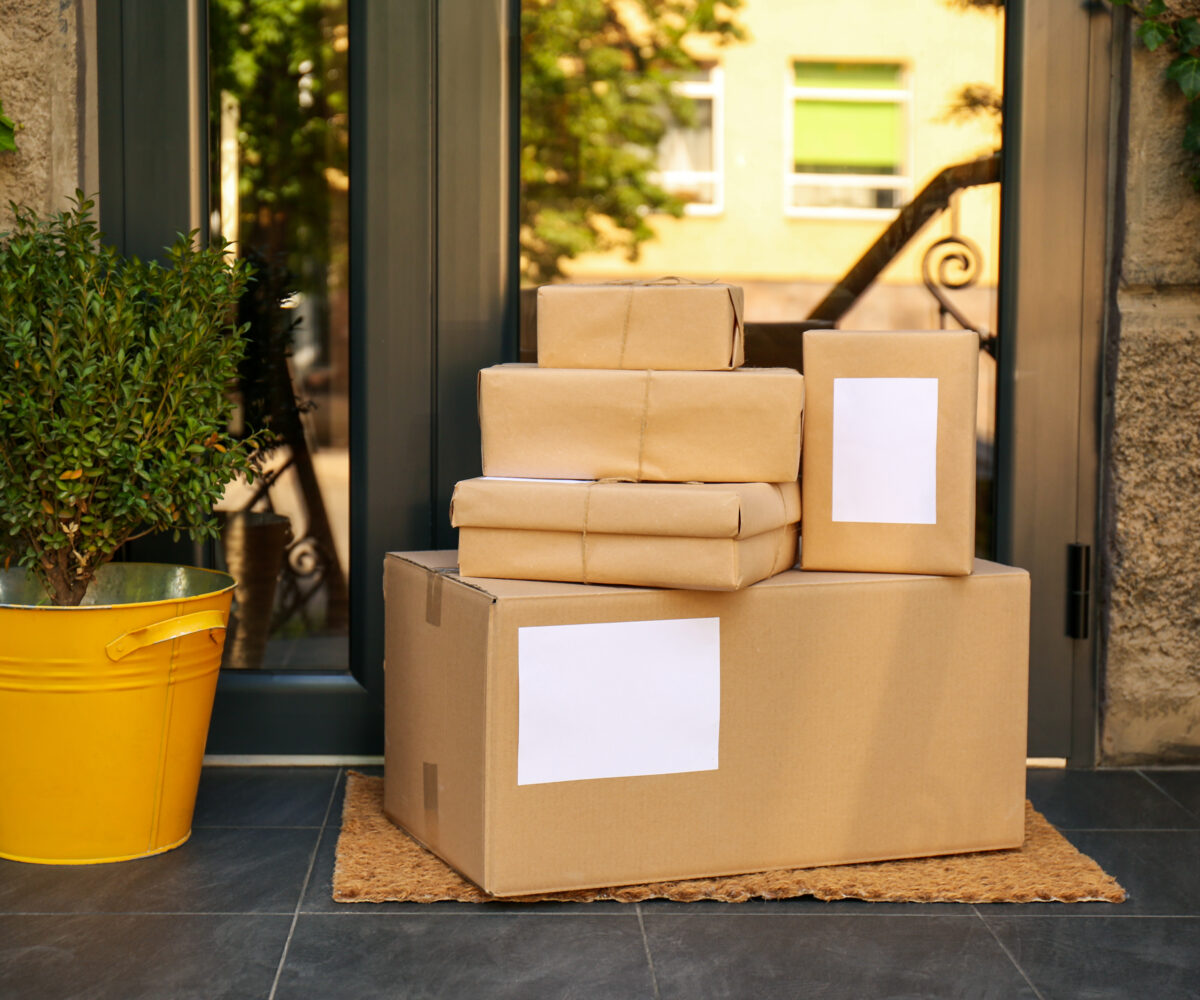
From streaming services and meal kits to fitness equipment and hobby boxes, subscriptions have changed the way we buy. But they may also be changing how much space we need.
A decade ago, most purchases followed a simple pattern: you needed something, you bought it, and eventually you replaced it.
Today, many purchases arrive automatically.
From monthly coffee deliveries and pet supplies to beauty products, clothing boxes, and curated hobby kits, the subscription economy has fundamentally changed how consumers interact with products. What started with digital services like Netflix and Spotify has expanded into nearly every corner of everyday life.
And while most conversations about subscriptions focus on convenience, personalization, and recurring revenue, there’s another consequence that receives far less attention:
Our homes are filling up faster than ever.
The Shift From Ownership to Ongoing Consumption
The subscription model has become one of the defining business trends of the last decade.
Consumers subscribe to:
- Streaming services
- Meal kits
- Pet products
- Beauty and grooming supplies
- Vitamins and wellness products
- Coffee and snack deliveries
- Clothing rental services
- Hobby and collector boxes
- Fitness equipment memberships
The appeal is obvious. Subscriptions remove friction from shopping, automate replenishment, and often introduce consumers to products they may not have discovered on their own.
Businesses have embraced the model as well. The broader subscription economy has experienced significant growth over the past decade as recurring-revenue models become increasingly common across industries.
For consumers, however, there can be an unintended side effect: a growing accumulation of physical items.
Convenience Often Leads to More Stuff
One reason subscriptions are so successful is because they reduce decision fatigue.
Products show up automatically. There’s no need to create a shopping list, make a trip to the store, or remember to reorder.
But when purchases become frictionless, it’s easy to lose track of how much is actually entering the home.
Consider a typical household:
- A monthly pet supply subscription
- Auto-delivered household essentials
- Seasonal décor purchases
- Fitness equipment acquired over time
- Hobby-related subscription boxes
- Children’s educational activity kits
- Bulk online purchases
Individually, none of these seem excessive.
Collectively, they can create a surprising amount of inventory.
Americans Are Building Mini Warehouses at Home
Many homes now contain dedicated spaces for storing products that arrive on a recurring basis.
Kitchen pantries hold bulk purchases and subscriptions. Garages store recreational equipment. Closets contain years’ worth of seasonal items, memberships, and hobby gear.
What’s fascinating is that much of this accumulation isn’t wasteful.
In many cases, people genuinely use and value these products.
The challenge isn’t that households are buying the wrong things. The challenge is that many of us are buying more categories of things than previous generations ever managed simultaneously.
A family might subscribe to a meal kit, maintain several streaming services, own camping gear, keep holiday decorations, run a small online business, and participate in multiple hobbies all at the same time.
Modern lifestyles require space in ways that aren’t always obvious.
The Rise of Identity-Based Consumption
Another factor driving this trend is the growing relationship between purchases and personal identity.
Consumers increasingly define themselves through experiences and interests:
- Outdoor recreation
- Fitness
- Gaming
- Collecting
- Crafting
- Travel
- Home improvement
- Content creation
Each of these interests comes with equipment, supplies, and accessories.
Subscription services often encourage deeper engagement by introducing new products, limited-edition releases, seasonal offerings, and curated experiences.
Over time, households accumulate not just possessions, but physical representations of the activities they enjoy most.
Why People Are Keeping Things Longer
Interestingly, consumers are also becoming less likely to simply throw things away.
Many households are choosing to:
- Preserve family heirlooms
- Donate instead of discard
- Repurpose furniture
- Save baby gear for future generations
- Hold onto collectible items
- Store seasonal equipment between uses
For many people, keeping belongings longer is both financially practical and environmentally conscious.
The result is a cultural shift where fewer items leave the home, even as new items continue arriving.
That creates a unique challenge: balancing current needs with future value.
Space Is Becoming a Lifestyle Resource
As housing affordability remains a challenge in many markets, households are placing greater emphasis on maximizing the space they already have.
Instead of moving every time their storage needs increase, many families are becoming more intentional about how they use garages, spare bedrooms, closets, and other areas throughout the home.
We’re also seeing homes serve more purposes than before:
- Workspaces
- Home gyms
- Classrooms
- Guest rooms
- Caregiving spaces
- Entertainment hubs
Every square foot is competing for multiple uses.
That makes space one of the most valuable resources in modern life.
What This Means for Storage
At Space Shop Self Storage, we’ve noticed that many customers aren’t necessarily storing items because they’re moving. They’re storing items because life has become more dynamic.
They’re making room for a home office.
They’re launching a side business.
They’re welcoming a new family member.
They’re trying to reclaim space in a garage that’s gradually become a catchall for equipment, seasonal décor, and household overflow.
The reality is that most people don’t have a storage problem.
They have a flexibility problem.
The belongings themselves often remain useful and valuable. The challenge is deciding where those items should live when they’re not needed every day.
That’s one reason self storage has evolved beyond a temporary moving solution. Increasingly, it serves as a flexible extension of the home, allowing households to adapt without sacrificing the things that matter to them.
Whether it’s seasonal decorations, recreational gear, collectibles, furniture, or business inventory, storage can provide breathing room while preserving valuable living space.
If you’re evaluating how much additional room might help, our Storage Unit Size Guidecan help estimate the right fit for your needs. And with Space Shop locations throughout the Southeast, finding convenient storage close to home is easier than ever.
The Future of the Subscription Economy
The subscription economy isn’t slowing down anytime soon.
Consumers continue to value convenience, personalization, and automatic delivery. Businesses continue to invest heavily in recurring-revenue models and subscription-based customer relationships.
As those trends continue, households will face an increasingly important question:
How do we enjoy the convenience of modern consumption while maintaining the flexibility to use our homes the way we want?
For many families, the answer won’t be buying less.
It will be finding smarter ways to manage the space they already have.