Remote Work & Flexible Living: How Changing Lifestyles Are Reshaping Space
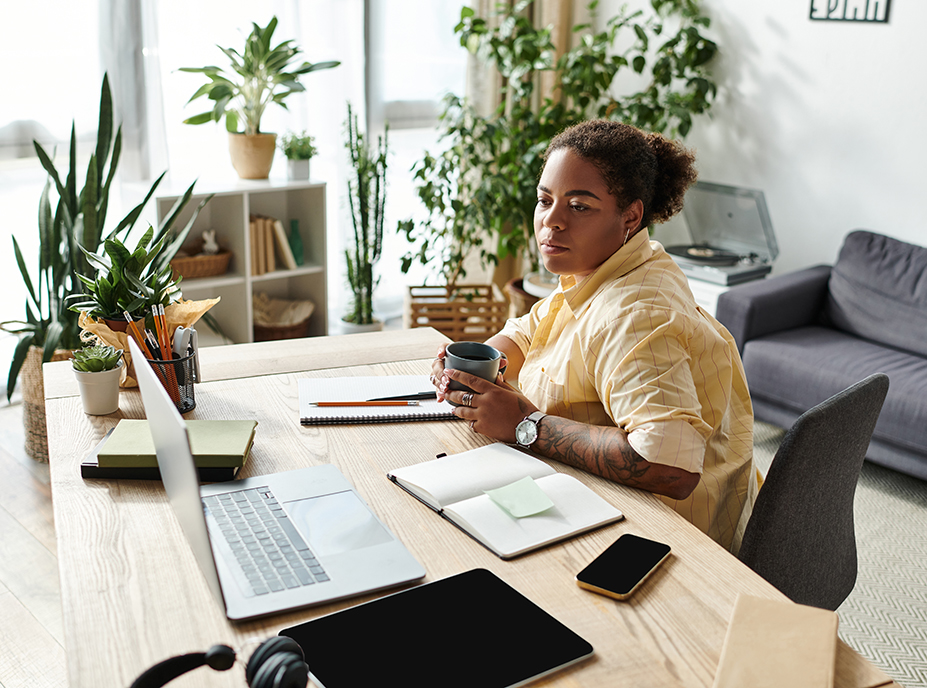
Remote work didn’t just change where people work — it changed how people live.
Over the past few years, millions of Americans have shifted to remote or hybrid roles, bringing more flexibility to both work and daily routines. But with that flexibility comes a new set of challenges — especially when it comes to space.
From creating home offices to moving more frequently, remote work is reshaping how people use their homes and organize their belongings. In many cases, it’s also creating new — and often unexpected — storage needs.
Remote Work Is Here to Stay
While headlines often focus on return-to-office mandates, the reality is more balanced.
According to recent remote work research, around 22% of U.S. employees now work remotely at least part of the time, representing tens of millions of workers across the country. Hybrid work also continues to dominate, with many workers preferring a mix of home and in-office time, based on insights from Robert Half’s workforce trends report.
At the same time, employee expectations have shifted. Flexibility is no longer a temporary perk — it’s a standard part of how many people choose jobs and structure their lives.
Homes Are Now Multi-Purpose Spaces
One of the biggest impacts of remote work is how much more homes are expected to do.
For many people, the same space now functions as:
- A home office
- A living space
- A workout area
- A storage zone
- Sometimes even a workspace for side businesses
That shift has made space feel tighter — even in homes that once felt more than large enough.
Instead of immediately moving, many people are choosing to make their current space work better. Spare bedrooms become offices, dining tables turn into workstations, and closets are repurposed in new ways.
Over time, that often leads to a simple question: what actually needs to stay in the home — and what doesn’t?
Flexibility Is Changing Where (and How Often) People Move
Remote work has also made it easier to rethink location.
Some people are relocating for affordability or lifestyle, while others are testing out new cities or splitting time between multiple places throughout the year. Even short-term moves have become more common as people take advantage of flexible work arrangements.
There’s also been a noticeable rise in location-independent living.
In recent years, more Americans have adopted flexible, location-independent work styles, with digital nomad lifestyles continuing to grow.
Not everyone is constantly on the move, but the larger shift is clear — people want more flexibility in where they live and how they structure their lives.
The Hidden Challenge: Managing Belongings in a Flexible Lifestyle
With more flexibility comes one practical challenge that many people don’t think about right away:
What do you do with everything you own when your space or location isn’t fixed?
Common situations include:
- Moving between short-term leases
- Downsizing to smaller spaces
- Traveling for extended periods
- Splitting time between homes or cities
- Converting living areas into workspaces
In each of these cases, people often need a way to keep their belongings secure without making permanent decisions about what to keep or get rid of.
Where Extra Space Starts to Matter
As living situations become more flexible, the way people manage their belongings is changing too.
Instead of long-term, one-time storage use, many people are using storage more dynamically — as a way to stay organized through transitions, not just during moves.
Here are a few ways that shows up:
Creating Room for a Home Office
One of the most common adjustments remote workers make is creating a dedicated workspace.
That often means clearing out space that used to serve another purpose — whether it’s a spare bedroom, a dining area, or part of a living room.
To make that shift work, people often need a place for:
- Extra furniture
- Seasonal items
- Non-essential belongings
In many cases, moving those items out of the home — rather than getting rid of them entirely — allows for more flexibility long-term.
Navigating Moves and Transitions
Flexible living often comes with more frequent moves or in-between periods.
Whether it’s waiting on a lease, relocating for a new job, or testing out a new city, having a place to keep belongings during those transitions can make the process significantly easier — and less rushed.
Supporting Remote Work and Side Businesses
Remote work has also created more opportunities for freelance work, small businesses, and e-commerce.
Many people now run part or all of their work from home, which can quickly take up space with:
- Inventory
- Supplies
- Equipment
- Packaging materials
Without a dedicated commercial space, it becomes important to find ways to stay organized without overcrowding the home.
Extending Living Space Over Time
Another shift happening alongside remote work is how people think about space long-term.
Instead of relying only on closets, garages, or spare rooms, more households are treating extra space as something flexible — using it when needed rather than permanently building around it.
Industry insights show that self storage is increasingly tied to lifestyle changes like remote work and home reconfiguration, not just major moves or relocations.
Choosing Storage That Fits a Flexible Lifestyle
For people navigating remote work or a more flexible living setup, having access to the right kind of storage can make a noticeable difference.
A few things to keep in mind:
✔ Convenient access
Choosing a location that’s easy to get to can make transitions smoother — especially during moves or travel.
Browse our locations here.
✔ Climate-controlled space
Electronics, documents, and office equipment are often sensitive to temperature and humidity.
View our guide to climate control here.
✔ The right unit size
Many remote workers only need space for overflow — not full household storage.
View our storage unit size guide here.
✔ Flexible rental options
Month-to-month setups allow for adjustments as living situations change.
A Lifestyle That’s Still Evolving
Remote work has settled into a new normal, but its long-term impact is still unfolding.
As more people embrace:
- Hybrid work
- Flexible housing
- Location independence
- Multi-purpose living spaces
…the way people think about space will continue to shift as well.
Making Flexibility Work
Flexibility has become a defining part of modern work and life.
But making that flexibility work often comes down to the details — including how people manage their space, their belongings, and the transitions in between.
For many, having access to extra space when they need it isn’t the main focus — it’s simply part of what makes a flexible lifestyle possible.